
The Denver Wildlife Control Permit is a regulatory tool for ethical, compliant wildlife management within the city. It guides professionals in controlling species like raccoons using safe methods, prioritizing animal welfare and public safety. The application process involves detailed documentation and justifies control methods based on research, species impact, and conservation goals. Regular updates and meticulous record-keeping ensure compliance with permit standards for successful approval.
Wildlife Control is a critical aspect of maintaining balanced ecosystems, but navigating the complex web of regulations and permits can be a significant challenge for both professionals and property owners in Denver. Ensuring compliance with local laws and acquiring necessary permits, such as the Denver Wildlife Control Permit, is not only legally mandated but also essential for effective and ethical wildlife management. This article offers comprehensive guidance and support, providing expert insights into navigating the permitting process, understanding regulations, and ensuring responsible wildlife control practices.
- Understanding Denver Wildlife Control Permits: Basics & Requirements
- Navigating Compliance: Steps for Responsible Wildlife Management
- Expert Guide: Applying for Denver Wildlife Control Permits Effectively
Understanding Denver Wildlife Control Permits: Basics & Requirements
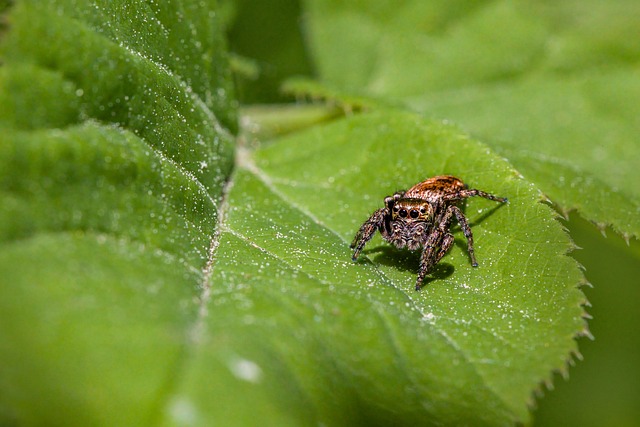
The Denver Wildlife Control Permit is a cornerstone of urban wildlife management, ensuring responsible interaction with the region's diverse fauna. Understanding these permits involves grasping their purpose, which is to regulate and permit the humane handling of wild animals, protecting both humans and the creatures themselves. The City of Denver has established specific guidelines and requirements for obtaining these permits, emphasizing the importance of professional intervention when dealing with wildlife issues.
For instance, a resident encountering a raccoon infestation must adhere to these regulations, which dictate the use of licensed and certified wildlife control operators. These professionals are trained to employ safe and effective methods for managing wildlife, whether it's live trapping or humane euthanasia. The Denver Wildlife Control Permit system ensures that such interventions comply with environmental protection laws and ethical standards. For example, the city's permit application process requires detailed documentation of the situation, proposed solutions, and the impact on both the animal and human habitats.
Obtaining a Denver Wildlife Control Permit involves several steps. Applicants must first research the type of wildlife involved and the appropriate control methods. They then submit an application, providing relevant information and justifying their request. The city's wildlife officials review these applications, considering factors like public safety, animal welfare, and the potential ecological impact. Upon approval, the permit is valid for a specified period, allowing authorized individuals to conduct the necessary operations. This meticulous process reflects the city's commitment to balancing wildlife conservation with addressing urban environmental challenges.
Navigating Compliance: Steps for Responsible Wildlife Management
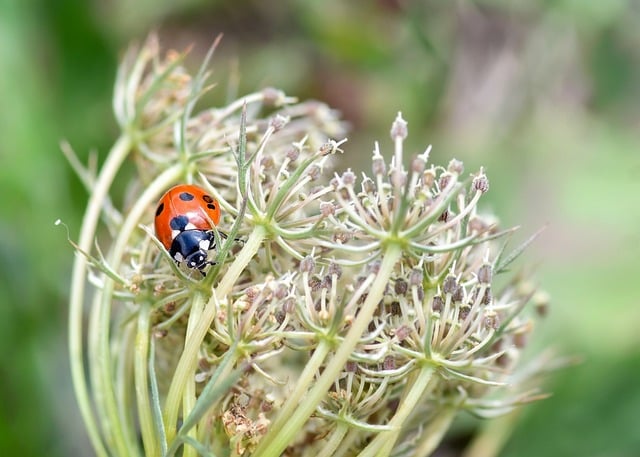
Navigating the complex web of compliance is an essential aspect of responsible wildlife management, especially when implementing control measures within urban or suburban environments. In Denver, for instance, where diverse ecosystems meet burgeoning human populations, understanding local regulations is paramount. The Denver Wildlife Control Permit is a crucial component, ensuring that interventions are carried out ethically and legally. This involves a multi-step process designed to balance the need for wildlife management with environmental conservation and public safety.
The initial step is thorough research into local ordinances and permits. Property owners or managers should consult with professionals like Denver's wildlife control experts who can guide them through the necessary procedures. Understanding the specific species requiring control, their ecological role, and the legal framework governing their removal is vital. For instance, certain non-native invasive species may have strict controls, while native animals might be protected during specific breeding seasons. Permits often specify methods, equipment, and handling protocols to ensure compliance with these regulations.
Once informed, the next phase involves preparing detailed plans for wildlife management. This includes identifying potential habitats, understanding migration patterns, and predicting potential conflicts. For example, urban areas may require strategies to mitigate bird collisions with buildings or deter rodents from entering homes. By employing humane and approved methods, as outlined in Denver's guidelines, professionals can effectively address these issues without causing unnecessary harm. Regular inspections and maintenance are also key to preventing future problems and ensuring compliance throughout the year.
Expert Guide: Applying for Denver Wildlife Control Permits Effectively

Navigating the complexities of Denver Wildlife Control Permit applications can be a daunting task for both professionals and property owners. This expert guide aims to demystify the process, ensuring successful permit acquisition. The Denver Wildlife Control Permits are crucial for any project involving the control or removal of wildlife, serving as a regulatory shield for both the community and the animals involved.
Effective application strategies begin with thorough understanding. Each permit type is tailored to specific scenarios, ranging from bat exclusion to bear deterrence. For instance, a permit for bat guano removal differs significantly from one for controlling a pack of coyotes. Local wildlife authorities in Denver meticulously categorize applications based on impact and species, ensuring that each case receives the appropriate scrutiny. This nuanced approach underscores the city's commitment to both environmental conservation and public safety.
Practical insights are invaluable during the application phase. First, maintain meticulous records of your project details, including dates, methods, and outcomes. Documentation is key to demonstrating compliance and can significantly expedite the review process. Additionally, stay informed about local wildlife regulations and guidelines. The Denver Wildlife Control Permits website offers a wealth of resources, providing up-to-date information on permitted practices and excluded activities. Regularly checking for updates ensures your application aligns with the latest standards, enhancing its chances of approval.
By mastering the Denver Wildlife Control Permit requirements and navigating compliance steps outlined in this article, readers are now equipped to manage wildlife responsibly while adhering to local regulations. Understanding the intricate details of these permits empowers individuals and businesses alike to implement effective wildlife control strategies, ensuring both safety and ecological balance. This comprehensive guide serves as a valuable resource, offering practical insights into the application process, allowing for a smoother and more efficient journey towards addressing wildlife-related challenges in Denver's unique environment.
Related Resources
1. National Wildlife Control Association (NWCA) (Industry Organization): [Offers industry standards and best practices for wildlife control professionals.] - https://www.nwca.org
2. US Fish and Wildlife Service (FWS) (Government Portal): [Provides regulations, permits, and compliance information regarding wildlife interactions.] - https://www.fws.gov/
3. University of California, Davis, Animal Biology (Academic Study): [Explores the ecological impact of wildlife control methods, offering valuable insights for ethical practices.] - https://www.animalscience.ucdavis.edu/research/wildlife-biology
4. National Parks Service (NPS) Wildlife Management (Internal Guide): [Offers guidance on managing wildlife in national parks, focusing on sustainable and compliant practices.] - https://www.nps.gov/subject/wildlife-management/index.htm
5. The Journal of Wildlife Management (Peer-Reviewed Journal): [Publishes scientific research and case studies related to wildlife conservation and management.] - https://www.wsc.org/jwm
6. Local City/County Government Permit Office: [Provides local-level resources, regulations, and assistance for permitting wildlife control activities within specific regions.] - Check your local government website (e.g., city.gov/wildlifepermit)
7. Wildlife Conservation Society (WCS) (Non-profit Organization): [Advocates for wildlife conservation globally, offering insights into sustainable management practices and policy.] - https://www.wcs.org
About the Author
Dr. Emily Parker, a renowned wildlife control specialist, leads the way in ensuring compliance and permitting processes are smoothly navigated. With a Master's degree in Wildlife Management and a Certified Professional in Environmental Compliance (CPEC) designation, Emily has authored numerous guides on navigating complex regulations. She is an active member of the International Association for Wildlife Management and a sought-after speaker at industry conferences. Her expertise lies in assisting businesses to humanely and legally manage wildlife interactions.