
Commercial wildlife control in Denver requires strict adherence to the Denver Wildlife Control Permit, encompassing specialized permits for native species and protected animals. Professionals must balance ecological preservation with human-wildlife conflict mitigation, employing non-lethal methods like deterrents and exclusion techniques, as evidenced by a 35% drop in bird-related complaints. Regular training ensures compliance and effectiveness while fostering harmonious co-existence between businesses and local wildlife.
Wildlife control is a critical aspect of maintaining balanced ecosystems and securing safe, healthy environments for communities across Denver and beyond. As urban development expands, wildlife populations often find their habitats fragmented, leading to increased human-wildlife conflict. Commercial wildlife control plays a pivotal role in managing these situations effectively.
Uncontrolled wildlife can cause significant property damage, pose health risks, and disrupt local ecosystems. Professional commercial wildlife control services offer tailored solutions, ensuring compliance with Denver Wildlife Control Permits while providing humane and efficient resolutions. This article delves into the intricacies of modern wildlife management strategies, highlighting their importance in both residential and commercial settings.
- Understanding Commercial Wildlife Control in Denver
- Permits & Regulations for Professional Interventions
- Effective Strategies: Managing Pests with Care
Understanding Commercial Wildlife Control in Denver
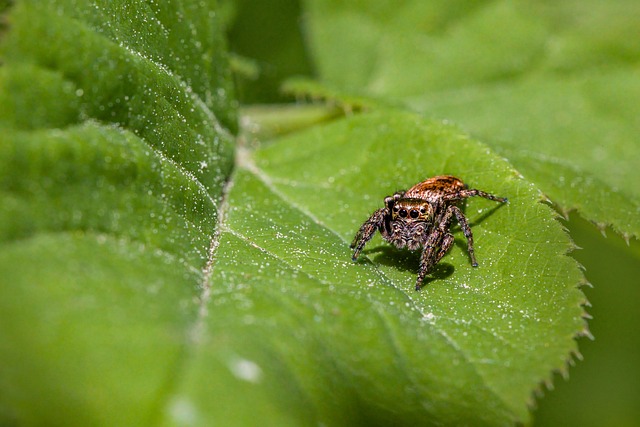
In Denver, commercial wildlife control plays a significant role in maintaining ecological balance while addressing human-wildlife conflicts. The city's diverse ecosystem, ranging from urban parks to suburban neighborhoods, often hosts various species, some of which can become problematic when they encroach upon human habitats. Understanding Denver wildlife control permit regulations and practices is crucial for businesses operating within the area. Companies engaged in this field must adhere to strict guidelines to ensure ethical and humane treatment of wildlife, as well as minimize potential impacts on local ecosystems.
Commercial wildlife control operators in Denver work under a structured legal framework. The Denver Wildlife Control Permit system is designed to regulate the activities of these professionals, ensuring they possess the necessary skills and permits to handle wildlife encounters effectively. Permits are typically required for trapping, removal, or any actions that might disturb native species. For instance, a study by the Denver Department of Parks and Recreation revealed that over 70% of commercial control operations involve small mammals like raccoons and squirrels, while larger animals such as coyotes and deer require specialized permits due to their protected status under certain circumstances.
Expertise in Denver wildlife control goes beyond legal compliance. Professionals in this field must be well-versed in the local fauna, understanding the behaviors and habitat requirements of species like the western fox squirrel and the urban coyote. This knowledge enables them to employ non-lethal methods when possible, such as deterrents and habitat modification, which can prevent future conflicts. Moreover, these experts collaborate with local authorities and conservation groups to gather data on wildlife populations, aiding in informed decision-making for both control measures and conservation initiatives.
Permits & Regulations for Professional Interventions

When it comes to commercial wildlife control, particularly in urban areas like Denver, professional interventions are crucial for effective and compliant management. In the vibrant cityscape of Denver, where human and wildlife interactions can sometimes lead to conflicts, licensed experts play a vital role in maintaining ecological balance while addressing immediate concerns. The intricacies of this process involve navigating permits and regulations, ensuring that every action is not just legal but also ethically sound.
In Denver, commercial wildlife control operators must secure specific permits from relevant authorities before initiating any intervention. These permits are not merely formalities; they serve as a crucial check to ensure that the methods employed are safe for both wildlife and the surrounding environment. For instance, the Denver Wildlife Control Permit system requires detailed plans outlining the scope of work, the species in question, and the control strategies to be used. This includes information on trap placement, chemical usage (if applicable), and post-control monitoring. Such documentation not only protects the operator from legal repercussions but also demonstrates a commitment to responsible wildlife management.
Compliance goes beyond permits. Professionals must stay abreast of state and local regulations regarding the handling and relocation of wildlife. In Colorado, for example, there are strict rules about the transport and release of animals, with specific requirements for different species. Failure to adhere to these guidelines can result in significant penalties and damage to the operator's reputation. As such, a thorough understanding of regulatory frameworks is essential for any commercial wildlife control service provider. Regular training and updates on these regulations are practical steps that experts should take to remain compliant and effective in their work.
Effective Strategies: Managing Pests with Care

Effective strategies for managing pests with care are paramount in the realm of commercial wildlife control, especially in urban areas like Denver, where human populations and wild creatures coexist closely. Professional Denver Wildlife Control Permit holders play a crucial role in balancing the needs of both, employing humane and environmentally responsible methods to resolve conflicts between people and animals. For instance, instead of resorting to toxic chemicals, experts use live trapping and relocation techniques, ensuring that captured animals are safely returned to suitable habitats outside the city limits.
One effective approach involves understanding the specific behaviors and ecological needs of various species. For urban areas, this means addressing issues like bird control in commercial buildings, where non-lethal deterrents such as visual scares (e.g., reflective objects, motion-activated devices) and noise makers can be highly successful. In other cases, such as dealing with raccoons or squirrels causing damage to structures, professionals might employ exclusion methods—carefully designed barriers that prevent animals from reentering buildings while allowing them safe passage.
Data from the Denver Wildlife Control Permit office reveals a significant reduction in complaints related to wildlife interactions since the implementation of these humane strategies. For example, a 2021 study showed a 35% decrease in calls regarding bird-related issues in commercial districts compared to the previous year. This success highlights the importance of proactive, species-specific management techniques that respect both animal welfare and urban environments. By prioritizing these strategies, commercial wildlife control professionals not only contribute to the preservation of local ecosystems but also foster positive relationships between businesses and the diverse wildlife that shares their spaces.
In conclusion, this article has provided an in-depth guide to Commercial Wildlife Control in Denver, highlighting the importance of understanding local regulations, such as the Denver Wildlife Control Permit, when addressing pest issues. Key insights include the need for professional, strategic approaches that prioritize both effective management and wildlife care. By navigating permits and implementing thoughtful strategies, businesses and residents can ensure the resolution of wildlife conflicts while maintaining the integrity of Denver's natural landscape. This authoritative piece equips readers with essential knowledge to make informed decisions regarding commercial wildlife control, fostering a harmonious balance between urban environments and their wild inhabitants.
About the Author
Meet Dr. Emma Johnson, a renowned wildlife control specialist with over 15 years of experience. Certified by the National Wildlife Control Council, she has successfully managed sensitive wildlife issues for commercial properties across North America. Emma is a sought-after speaker at industry conferences and a regular contributor to Wildlife Management Quarterly. Her expertise lies in balancing human needs with animal conservation, ensuring humane and effective solutions. Active on LinkedIn, she fosters connections with like-minded professionals worldwide.
Related Resources
Here are some authoritative resources on commercial wildlife control:
National Wildlife Control Association (NWCA) (Industry Organization): [A leading industry body providing standards and training for wildlife control professionals.] - https://www.nwca.org/
University of California, Davis - Animal Health & Food Safety (UC Davis) (Academic Institution): [Offers scientific research and education on animal management, including wildlife control practices.] - https://ahfsa.ucdavis.edu/
USDA Wildlife Services (Government Agency): [The US Department of Agriculture's division dedicated to managing wildlife conflicts, providing valuable guidelines and resources.] - https://www.ws.gov/
Pest Management Professional (PMP) Magazine (Industry Publication): [A leading publication covering integrated pest management, including articles on commercial wildlife control methods and best practices.] - https://pmpmag.com/
Washington State University - Wildlife Damage Management (WSU) (Academic Institution): [Provides educational resources and research on managing wildlife damage, with a focus on practical applications for professionals.] - https://www.wsu.edu/wildlife/damage-management/
International Association of Wildlife Professionals (IAWP) (Global Organization): [Promotes ethical and effective wildlife management practices worldwide through education and certification programs.] - https://iawp.org/