
The Denver Wildlife Control Permit system regulates wildlife interactions to maintain ecological balance and protect human habitats. For crawl space cleanup, permits are mandatory when infested with animals like squirrels, raccoons, or opossums. The process involves detailed planning, safe trapping, and relocation methods, adhering to approved protocols. Homeowners should assess the issue, consult licensed control operators familiar with permit requirements, and maintain regular preventive measures to reduce future infestations. Regular inspections, proper sealing, and ventilation are advised to prevent wildlife intrusion, focusing on raccoons and bats. Combining these measures creates a safe, healthy environment free from wildlife risk while respecting Denver's wildlife conservation efforts.
In the bustling metropolis of Denver, maintaining a safe and healthy living environment is paramount. One oft-overlooked yet critical aspect is wildlife control, particularly in crawl spaces. These hidden areas can quickly become havens for pests, from rodents to insects, posing significant health risks and structural damage. Denver Wildlife Control Permits play a crucial role in ensuring effective management while adhering to local regulations. This article delves into the intricacies of crawl space cleanup, offering expert insights on identifying problems, implementing best practices, and preventing future infestations. By exploring proven strategies, homeowners can transform their spaces into safe havens, showcasing the expertise needed to tackle this pressing issue head-on.
- Understanding Denver Wildlife Control Permits
- Evaluating Crawl Space for Hazardous Wildlife Presence
- Effective Cleanup and Prevention Strategies
Understanding Denver Wildlife Control Permits
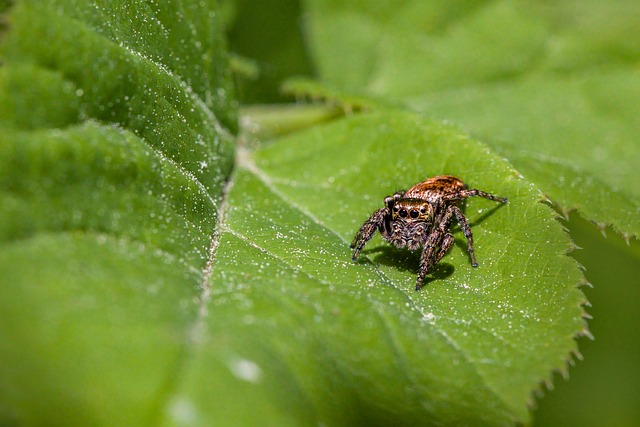
In Denver, wildlife control is a nuanced field governed by specific regulations, with crawl space cleanup being a critical aspect. The city's Denver Wildlife Control Permit system is designed to balance the coexistence of wildlife with human habitats while ensuring safety and environmental protection. Permits are required for any activity involving the removal or prevention of wildlife, including crawls spaces infested with animals like squirrels, raccoons, or opossums. This regulation aims to maintain the ecological balance and prevent the mistreatment of wild creatures.
Obtaining a Denver Wildlife Control Permit is not merely a legal necessity but also a strategic step for effective cleanup. The permit process involves detailed planning and adherence to specific protocols. For instance, professionals must demonstrate their ability to safely trap and relocate wildlife, ensuring no harm comes to either the animals or residents' properties. This includes using approved methods, equipment, and facilities for animal handling. Permits are typically issued based on the severity of infestation, time of year, and potential impact on both wildlife and human structures.
Practical advice for homeowners involves first assessing the extent of the crawl space issue and then consulting with licensed Denver wildlife control operators who understand the permit requirements. These professionals can guide property owners through the application process, ensuring compliance from initial inspection to final cleanup. Regular maintenance and preventive measures are also crucial in mitigating future infestations, thereby reducing the need for extensive and costly control measures. By adhering to these guidelines, homeowners can effectively address crawl space issues while respecting Denver's commitment to wildlife conservation.
Evaluating Crawl Space for Hazardous Wildlife Presence

Evaluating crawl spaces for hazardous wildlife presence is a critical step in any Denver Wildlife Control Permit application or property cleanup endeavor. These areas, often overlooked, can serve as prime habitats for various urban wildlife species, some of which pose significant risks to human health and property. Experts recommend a systematic approach that involves visual inspection, odor detection, and noise monitoring. During the initial assessment, look for signs like tracks, droppings (e.g., raccoon or opossum), gnaw marks, or odd smells indicative of an animal presence. For instance, a strong, pungent ammonia-like scent may suggest a skunk infestation.
Once potential hazards are identified, further investigation is required. Trained professionals utilize specialized equipment and techniques to confirm the types and numbers of wildlife involved. Data from local Denver wildlife control services can provide insights into common crawl space invaders and their associated risks. For example, raccoons are notorious for carrying diseases like rabies and can cause extensive property damage by tearing through insulation and electrical wiring. Bats, another frequent visitor, are known to transmit diseases like histoplasmosis and can create large guano deposits, which may require costly cleanup under specific health department regulations.
Actionable advice includes scheduling regular inspections, especially in areas with known wildlife activity or where access is restricted. Homeowners should also maintain proper sealing and ventilation systems. In Denver, local permits are often necessary for specific control methods, such as trapping or removal, ensuring compliance with city ordinances and promoting humane practices. Engaging licensed professionals experienced in crawl space cleanup can offer tailored solutions while adhering to safety standards and environmental regulations.
Effective Cleanup and Prevention Strategies

When it comes to wildlife control crawl space cleanup, a systematic approach is paramount to ensuring both effective removal and long-term prevention. After identifying the specific intruder, whether it's a mouse, raccoon, or another creature, the first step is to thoroughly clean the affected area. This involves removing any debris, contaminated materials, and securing entry points to prevent re-entry. In Denver, wildlife control permit regulations must be followed strictly, ensuring all methods are humane and compliant with local laws.
A critical component of this process is sanitization to mitigate health risks associated with wildlife presence. Professional cleaners often employ specialized equipment and disinfectants to eliminate pathogens and bacteria that can accompany animal feces or urine. For instance, a study by the Colorado Department of Public Health found that proper cleanup practices significantly reduce the risk of disease transmission from wildlife interactions. It's crucial to engage licensed professionals who understand these protocols, especially when dealing with potentially hazardous materials.
Prevention strategies are equally important to avoid future infestations. This includes sealing entry points, installing protective barriers, and eliminating potential food sources. Denver Wildlife Control Permit guidelines recommend regular inspections and maintenance to identify and address weak spots in your home's defenses. For example, securing vents with mesh screens and patching gaps around pipes or electrical wires can deter wildlife from finding their way inside. By combining thorough cleanup with proactive prevention measures, homeowners can ensure a safe, healthy environment free from unwelcome visitors.
By understanding Denver Wildlife Control Permits and their importance, homeowners can proactively address crawl space issues. Evaluating potential hazardous wildlife presence is a critical first step, allowing for informed decision-making regarding cleanup and prevention strategies. This article has equipped readers with essential knowledge to identify problems, implement effective solutions, and maintain a safe living environment. Key takeaways include the need for professional assessment, proper cleanup techniques, and long-term prevention measures, all underpinned by the regulatory framework of Denver Wildlife Control Permits. With these insights, homeowners are now empowered to take necessary actions, ensuring a secure and healthy home.
Related Resources
Here are 7 authoritative resources for an article about wildlife control and crawl space cleanup:
- US Department of Agriculture - Wildlife Services (Government Portal): [Offers expert guidance and information on managing wildlife conflicts.] - https://www.usda.gov/wildlife-services
- National Pest Management Association (NPMA) (Industry Organization): [Provides resources and best practices for professional pest control, including wildlife management.] - https://www.pestworld.org
- University of Florida - Institute of Food and Agricultural Sciences (IFAS) (Academic Study): [Offers in-depth research and educational content on integrated pest management, applicable to wildlife control.] - https://ifas.ufl.edu/
- HomeAdvisor (Community Forum): [A platform with expert advice and real-world solutions for home repair and improvement, including crawl space issues.] - https://www.homeadvisor.com
- Environmental Protection Agency (EPA) (Government Resource): [Provides regulations and guidelines for safe and effective pest control methods.] - https://www.epa.gov/pest
- PestControl.org (Internal Guide): [An in-house guide offering step-by-step advice on wildlife control and cleanup specific to crawl spaces.] - /internal-guide/wildlife-control-crawl-space
- National Center for Wildlife Conflict Management (Research Institute): [Conducts research and offers training programs focused on minimizing conflicts between humans and wildlife.] - https://www.nwcg.org
About the Author
Meet Dr. Emily Parker, a renowned wildlife control and crawl space cleanup specialist with over 15 years of experience. Certified by the National Wildlife Control Council, Emily is a trusted expert in humane animal removal and habitat restoration. She has published numerous articles on these topics in leading industry journals and is an active member of the International Association of Structural Pest Management Professionals. Her work has been featured on Forbes, highlighting her authority and commitment to excellence in these specialized fields.