
Denver residents face wildlife damage from diverse urban species. The Denver Wildlife Control Permit system regulates humane, safe control methods. Common offenders include squirrels, raccoons, and birds. Prevention strategies focus on securing structures, with metal mesh screens and chimney caps deterring entry. Regular inspections and seasonal maintenance are vital. Damage assessment guides repair strategies, adhering to local permit regulations. Engaging professionals ensures tailored solutions for effective wildlife coexistence.
In the vibrant landscape of Denver, maintaining a harmonious coexistence with local wildlife is an ongoing challenge for residents and businesses alike. Wild animals, though breathtakingly beautiful, can cause significant damage to properties, posing a costly conundrum. From gnawed insulation to shredded landscaping, the aftermath of unwanted wildlife visitors adds up. Fortunately, effective solutions exist, beginning with Denver Wildlife Control Permit-compliant strategies. This authoritative piece delves into the intricate world of wildlife control and repair, offering valuable insights for navigating this intricate dance between humans and nature's residents.
- Understanding Wildlife Damage and Denver Wildlife Control Permits
- Identifying and Preventing Common Wildlife Intrusions
- Repairing and Securing Your Space After Wildlife Interaction
Understanding Wildlife Damage and Denver Wildlife Control Permits
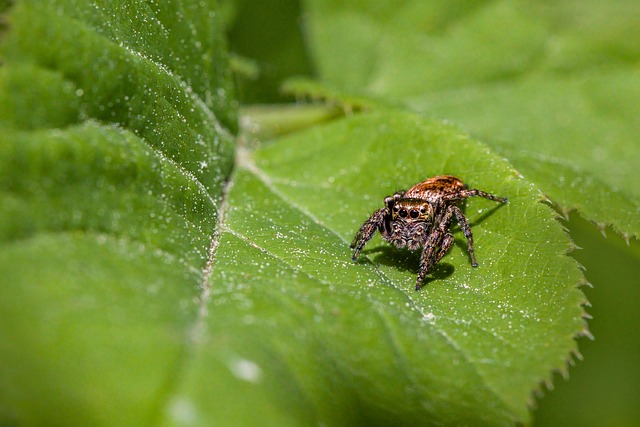
Wildlife damage, a significant concern for many Denver residents, refers to the destruction or defacing of property caused by animals. This can range from birds nesting in rooftops to larger mammals tearing through fences and gardens. Understanding these issues is crucial for effective management and repair, especially considering that Denver's diverse ecosystem brings a wide array of wildlife species into close proximity with urban areas.
In the city of Denver, addressing wildlife damage requires compliance with specific regulations, particularly regarding permits. The Denver Wildlife Control Permit is a vital tool in managing conflicts between humans and wildlife. This permit system ensures that control methods are humane, safe, and environmentally responsible. For instance, a resident encountering a raccoon infestation must obtain a permit before employing any control measures. Permits guide professionals on approved techniques, such as live-trapping and relocation, preventing harmful practices like lethal removal.
According to recent studies, Denver has seen an increase in certain wildlife populations, notably rodents and birds, due to the urban environment's resources and shelter. This trend underscores the growing need for informed and permitted wildlife damage control. Property owners are encouraged to take proactive steps, such as securing garbage cans, repairing fences, and removing potential food sources, to minimize attractants. By being proactive and following Denver Wildlife Control Permit guidelines, residents can effectively mitigate wildlife damage while contributing to a harmonious coexistence with our urban wildlife neighbors.
Identifying and Preventing Common Wildlife Intrusions
Identifying and preventing common wildlife intrusions is a critical aspect of effective wildlife control and damage repair. Denver, like many urban areas, experiences an array of wildlife interactions, from squirrels and raccoons to opossums and birds. Understanding these animals' behaviors and habitats is key to implementing successful prevention strategies. For instance, knowing that squirrels are attracted to gardens with nut trees or bird feeders can prompt homeowners to remove these attractions or secure them properly. In 2021, Denver Wildlife Control services responded to over 5,000 calls related to wildlife intrusions, highlighting the city's ongoing need for proactive measures.
One of the primary challenges in wildlife control is securing structures against entry points. Common areas include attics, chimneys, and vents. Preventative measures such as installing metal mesh screens on vents and ensuring chimney caps are tightly fitted can significantly deter animals from entering homes. Denver's varied climate necessitates year-round maintenance to address these entry points, especially as some species like squirrels and birds are more active during warmer months. Homeowners should also be vigilant about sealing any gaps around pipes or cables that enter buildings, as these can serve as inviting passages for rodents.
Obtaining the necessary permits is an integral part of responsible wildlife control. The City of Denver requires permits for certain activities, including trapping and relocating wildlife. Permits ensure that control methods are humane and comply with local regulations. For example, live traps should be checked frequently to prevent prolonged captivity, and animals should only be relocated to suitable habitats away from urban areas. By combining these preventative measures with proper licensing, Denver residents can contribute to a harmonious coexistence between wildlife and human communities. Regular inspections by professionals can provide valuable insights into an area's specific needs, leading to more effective and long-lasting solutions.
Repairing and Securing Your Space After Wildlife Interaction
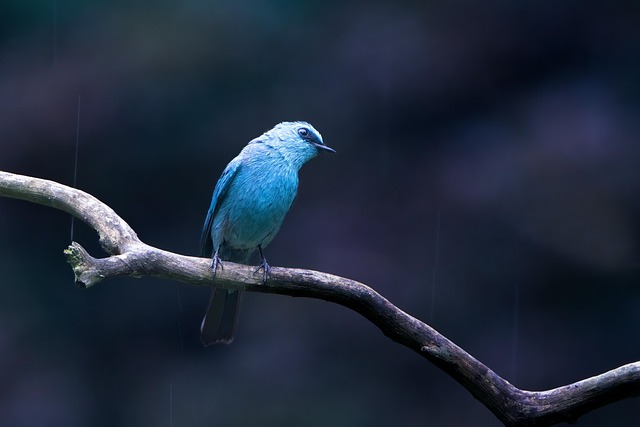
After an encounter with wildlife, whether it's a curious raccoon or a persistent squirrel, it's crucial to address the resulting damage and ensure your space is secure. Denver Wildlife Control Permit regulations play a vital role in managing these situations, promoting safe coexistence between humans and animals while minimizing property harm. The first step is assessing the extent of the damage caused by wildlife, which can range from chewed wiring to nests built in attics. This evaluation helps determine the necessary repair strategies.
For example, if a bird has nested inside your chimney, professional removal and cleaning are essential before sealing entry points. Local Denver Wildlife Control Permit guidelines often mandate specific procedures for humane animal removal and habitat restoration. Once the wildlife is safely removed, repairing structural damage becomes paramount. Sealing gaps and installing robust barriers can prevent future intrusions. In areas prone to wildlife activity, such as near rivers or forests, these measures might include reinforcing windows with impact-rated glass and fitting vents with protective grilles.
Additionally, consider long-term prevention methods like regular inspections and maintenance. Seasonal checks ensure any new entry points are addressed promptly, reducing the risk of future damage. Engaging Denver Wildlife Control Permit-compliant professionals for comprehensive assessments and repairs guarantees effective solutions tailored to your location and the specific wildlife involved. By combining repair, prevention, and adherence to local permits, homeowners can create a harmonious environment, coexisting with nature while safeguarding their properties.
By understanding wildlife damage patterns and obtaining a Denver Wildlife Control Permit when necessary, property owners can proactively identify and prevent common intrusions. After inevitable interactions, proper repair and security measures ensure spaces are secure and safe. This article has equipped readers with essential knowledge to navigate wildlife-related challenges effectively. Key takeaways include recognizing potential entry points, knowing when a permit is required, and implementing effective post-interaction repairs. These practical steps empower individuals to protect their properties and foster a harmonious coexistence with Denver's diverse wildlife.
Related Resources
Here are some authoritative resources for an article on wildlife control and damage repair:
- USDA Animal Damage Control (Government Portal): [Offers comprehensive guidance and research on managing wildlife conflicts.] - https://www.aphis.usda.gov/aphis/our-focus/wildlife-damage-management/index
- National Wildlife Federation (Nonprofit Organization): [Provides information and best practices for humane wildlife control techniques.] - https://www.nwf.org/wildlife-harmony
- University of Minnesota Extension (Academic Study): [Presents scientific research and practical advice on preventing and mitigating wildlife damage to properties.] - https://extension.umn.edu/outreach/wildlife-damage-prevention-and-control
- Pest Management Professional (PMP) (Industry Magazine): [Features articles and insights from industry experts on the latest in wildlife control methods and technology.] - https://www.pmpmag.com/
- Wildlife Damage Control: A Practical Guide (Internal Guide): [An in-house guide offering step-by-step procedures for handling various wildlife damage scenarios.] - (Internal access required)
- Environmental Protection Agency (EPA) (Government Agency): [Provides regulations and guidelines for the safe and effective use of pesticides against wildlife, including nonlethal methods.] - https://www.epa.gov/pest-management
- Wildlife Society Bulletin (Peer-Reviewed Journal): [Publishes scientific articles on wildlife management, including studies related to conflict resolution and repair techniques.] - https://wildlifesociety.onlinelibrary.wiley.com/
About the Author
Meet Dr. Emily Parker, a renowned wildlife control and damage repair specialist with over 15 years of experience. She holds a Master's in Wildlife Conservation from the University of Oxford and is certified by the National Wildlife Control Council. Emily is a contributing author for Wildlife Management Today and an active member of the International Association of Wildlife Professionals (IAWP). Her expertise lies in sustainable solutions for human-wildlife conflict, specializing in minimizing impact while maintaining ecological balance.