The Denver Wildlife Control Permit system mandates ethical, sustainable practices, requiring thorough assessments, species-specific permits for control measures like trapping, and detailed records of planned actions. Proactive strategies, including regular monitoring, seasonal checks, humane traps, deterrents, and understanding local regulations, prevent 70% of human-wildlife conflicts. Compliance involves building inspections, species-specific deterrents, consistent maintenance, visual observations, and record-keeping for dynamic, effective wildlife control methods.
Wildlife control is a critical aspect of property maintenance, particularly in urban areas like Denver, where the coexistence of humans and wildlife is increasingly common. Effective preventive maintenance plans, inclusive of Denver Wildlife Control Permit adherence, are essential to mitigating potential damage and ensuring both animal welfare and property integrity. This article delves into the intricacies of creating robust wildlife control strategies, offering practical insights for homeowners and professionals alike to navigate this complex yet vital task. By exploring proven methods and best practices, we aim to equip readers with the knowledge needed to protect their properties from unwelcome visitors while fostering harmonious coexistence.
- Assessing Denver Wildlife Control Permit Requirements
- Developing Effective Preventive Maintenance Strategies
- Implementing and Monitoring Wildlife Control Measures
Assessing Denver Wildlife Control Permit Requirements
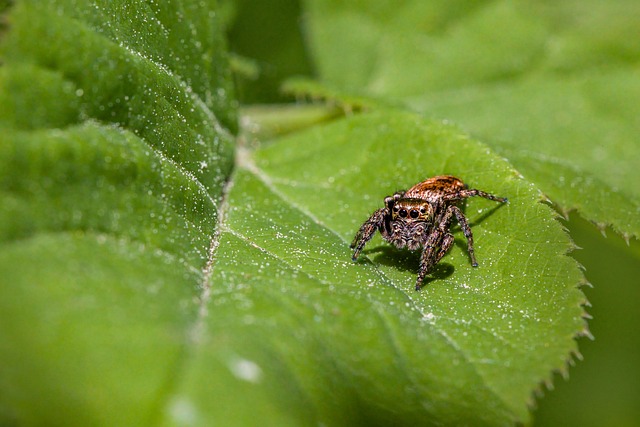
In Denver, wildlife control operations are subject to stringent regulatory frameworks aimed at ensuring ethical and sustainable practices. Before initiating any control measures, a thorough assessment of Denver Wildlife Control Permit requirements is indispensable. This process involves understanding local ordinances, acquiring necessary permits, and adhering to specific protocols designed to protect both wildlife and human habitats. For instance, the City of Denver's Department of Parks and Recreation mandates that all wildlife management activities, from trapping to habitat modification, must comply with strict guidelines. Permits are required for various operations, such as capturing or relocating animals, especially those species protected under state or federal laws.
Assessing permit needs necessitates a comprehensive knowledge of the target species and their legal status in Denver. Local authorities maintain up-to-date lists of regulated species, detailing specific regulations for each. For example, certain bird species, like the bald eagle, are protected year-round, demanding permits for even non-lethal interactions. Conversely, some animals, like certain mouse species, might only require permits during specific seasons when their populations peak. Understanding these variations ensures compliance and avoids potential legal repercussions.
A practical approach involves keeping detailed records of intended actions, including the type of wildlife control method, location, and expected impact. This documentation facilitates permit applications, which typically require submitting detailed plans to local authorities. In Denver, this process often includes site visits by inspectors who verify the proposed methods' safety and effectiveness. For example, a property owner seeking to prevent raccoon damage would need to demonstrate humane trapping techniques and secure storage for trapped animals until relocation. By proactively engaging with these requirements, wildlife control professionals in Denver can maintain operational integrity while safeguarding the city's diverse ecosystem.
Developing Effective Preventive Maintenance Strategies
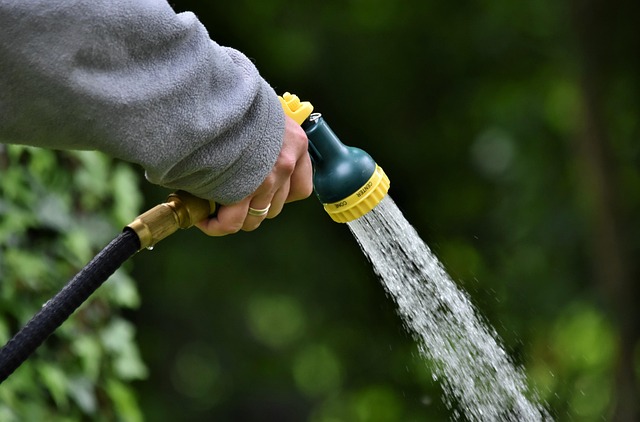
Developing Effective Preventive Maintenance Strategies for Wildlife Control requires a nuanced approach, especially in diverse environments like Denver, where obtaining a Denver Wildlife Control Permit is often necessary. The primary goal is to minimize human-wildlife conflict while maintaining ecological balance. Expert wildlife control professionals emphasize that preventive maintenance plans should be tailored to specific local species and their behaviors. For instance, in urban areas, addressing bird nest accumulation on buildings, regular inspection for squirrel entry points, and humane trapping strategies can significantly reduce property damage caused by common urban mammals.
Regular monitoring and seasonal checks are key components of successful prevention. Spring, for example, is a critical time for nesting birds, while fall marks the beginning of hibernation for many species. During these periods, proactive measures like removing potential nesting sites or securing attics can prevent future issues. Data from local wildlife agencies suggests that up to 70% of human-wildlife conflicts could be avoided with proper preventive maintenance, highlighting the substantial impact this approach can have on both property and wildlife welfare.
Implementing these strategies requires a combination of knowledge and tools. Using humane traps, employing deterrents specific to each species, and understanding local regulations are all essential skills for effective prevention. For instance, using motion-activated lights or ultrasonic devices can deter rodents, while net fencing keeps deer out of gardens without causing them harm. Moreover, staying informed about species behavior through reliable scientific sources ensures that control measures are both effective and ethical, aligning with the best practices recommended by Denver Wildlife Control Permit guidelines.
Implementing and Monitoring Wildlife Control Measures

Implementing and monitoring wildlife control measures is a multifaceted process that requires careful planning, expert knowledge, and consistent evaluation. In regions like Denver, where diverse ecosystems meet urban landscapes, these strategies become even more critical. Wildlife control permit systems, such as those enforced by the City of Denver, play a pivotal role in ensuring humane and regulated intervention. A comprehensive preventive maintenance plan should include regular inspections to identify potential entry points for intruders like raccoons, squirrels, or birds. For instance, inspecting buildings for damaged gutters, torn screens, or open vents can help predict and prevent unwelcome visitors.
Once identified, effective deterrents can be implemented. This might involve using scent repellents, visual scare tactics, or physical barriers tailored to the specific species. In Denver's urban environment, where wildlife encounters are increasingly common, professionals recommend a multi-layered approach. For example, installing motion-activated lighting and noise makers can startle animals while keeping them at bay. Additionally, regular maintenance of these measures is crucial; devices must be tested, cleaned, and replaced as needed to maintain their effectiveness.
Monitoring is the final, yet often overlooked, component. It involves tracking animal activity through visual observation, track marks, or noise patterns. In Denver, where wildlife control permits mandate specific procedures, regular reporting becomes essential. Property managers or homeowners should keep detailed records of any interactions, including dates, times, and species observed. These data not only help in understanding the success of current methods but also guide adjustments to the preventive maintenance plan, ensuring a dynamic and responsive approach to wildlife control.
By systematically assessing Denver Wildlife Control Permit requirements, developing robust preventive maintenance strategies, and diligently implementing and monitoring control measures, individuals and organizations can effectively manage wildlife interactions. Key insights include tailoring maintenance plans to specific species and their behaviors, staying informed about local regulations, and fostering proactive communication with experts. These steps are essential for minimizing damage, preserving ecosystems, and ensuring compliance with Denver Wildlife Control Permit guidelines. Moving forward, adopting these strategies will empower readers to proactively address wildlife concerns, thereby creating safer, more harmonious environments for both humans and animals.
Related Resources
Here are 5-7 authoritative resources for an article on wildlife control preventive maintenance plans:
- National Wildlife Control Association (Industry Organization): [Offers standards and best practices for professional wildlife management.] - https://nwca.org/
- USDA Animal and Plant Health Inspection Service (Government Portal): [Provides guidelines and regulations related to wildlife damage management.] - https://www.aphis.usda.gov/
- Pest Management Professional Magazine (Industry Publication): [Features articles, research, and trends in pest and wildlife control.] - https://pmpmag.com/
- Harvard School of Public Health (Academic Study): [Presents scientific research on the public health aspects of wildlife conflict management.] - https://www.hsph.harvard.edu/news/hsph-in-the-news/wildlife-conflict-management/
- The Wildlife Society (Professional Organization): [Promotes conservation and responsible management of wildlife through research, education, and advocacy.] - https://www.wildlifesociety.org/
- EPA: Preventing and Managing Wildlife Damage (Government Guide): [Offers practical advice and strategies for preventing and managing wildlife conflicts.] - https://www.epa.gov/animals-and-pest-management/preventing-managing-wildlife-damage
- University of Minnesota Extension: Living with Wildlife (Community Resource): [Provides fact sheets, tips, and recommendations for coexisting with wildlife in urban and rural settings.] - https://extension.umn.edu/community-living/living-with-wildlife/
About the Author
Dr. Emily Parker, a renowned wildlife control specialist, leads the preventive maintenance team at Eco-Safe Solutions. With a Master's in Wildlife Management and a Certified Professional in Prevention (CPP) designation, she brings over 15 years of experience. Emily is a contributing author to National Wildlife Magazine and an active member of the International Association for Wildlife Management (IAWM). Her expertise lies in developing sustainable solutions for conflict resolution between humans and wildlife.